
Skill: Advanced
Type: Clinical Intervention
Duration: 4.15Hrs
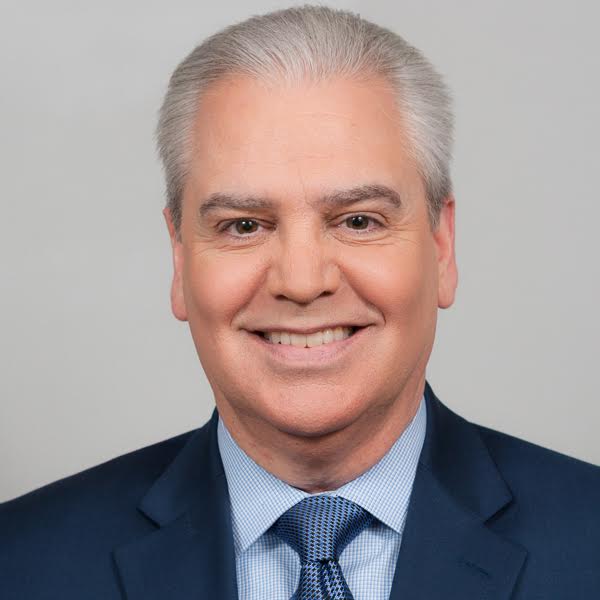
The Collaborative Assessment and Management of Suicidality course showcases the expertise of Dr. David Jobes as he teaches clinicians how to help patients manage their symptoms. Full of live filmed roleplays, this course is learner-focused and approachable, including reflection activities, live-filmed videos of lived experiences, and engaging animations. Learners will who may be at risk for suicide, as well as ways to connect them to services that can help. NOTE: Cognitive Behavioral Therapy Foundations—A Skills-Based Approach is a prerequisite for this course. You will not have access to this course unless you have first completed Cognitive Behavioral Therapy Foundations.
LEARNING HUB OVERVIEW:
- Estimated Course Length: 2 hrs. and 30 mins.
- CE Credits: 2.50 continuing education hours for social workers, psychologists, marriage and family therapists, physicians, and nurses / 1.50 continuing education hours for counselors
- Course Includes: 3 modules consisting of a mixed media approach with roleplays, video interviews with subject matter experts, animation explainer videos, knowledge games and more
- Provider videos: 2 provider videos to highlight key concepts
- Client videos: 3 client videos for psychoeducation
- Supplementary PDFs: 13 downloadable PDFs expanding on relevant course topics
- Target Audience: Mental Health Providers (licensed professional counselors, licensed clinical social workers, licensed psychologists, licensed marriage and family therapists, psychiatrists, behavioral health nurses); Physicians; Nurses
- Level of Instruction: Advanced
- Prerequisite: Cognitive Behavioral Therapy Foundations: A Skills-Based Approach
- Instructional Method: Self-paced, interactive, hybrid of audio, text, video, and learning checks
- Accessibility Accommodations: Closed captioning of all audio and video components. In order to request further accessibility accommodations, please email support@psychhub.com.
*Disclaimer: This course is intended for providers who are licensed or pursuing licensure, as listed above in the target audiences. The education provided in this course is one step toward competency in using the clinical intervention(s) described, but it should be combined with additional supervision, consultation, and/or training. Completion of this course does not give you permission to consider the specific populations, treatment approaches, or clinical concerns as within the scope of your practice capabilities. It is recommended that you consult the appropriate jurisdictions, licensing bodies, and professional code of ethics relevant to your specific licensure type to determine further action needed prior to implementing any of these clinical interventions or treating any of the clinical concerns or presenting issues depicted in the course.
COURSE LEARNING TARGETS
Course Objectives
What the learner should be able to describe and employ upon course completion:
-
Critically appraise risk screening, assessment, and stratification tools utilized in determining client levels of suicide risk.
-
Recognize and formulate a plan for management of: adaptations for adolescents, cultural humility, client reluctance, and challenging settings.
-
Create personalized safety plans in collaboration with clients at risk for suicide and provide psychoeducation on the utilization and storage of their safety plan.
MODULE OVERVIEWS:
Module 1: BEGINNING CARE AND IDENTIFYING RISK
Case study synopsis; course introduction; Aliyah’s story; beginning care; identifying risk; risk screening with Aliyah (roleplay); discussing the topic of suicide; risk and protective factors.
Module 2: SAFETY PLANNING
Psychoeducation about the importance of safety planning; step 1 of safety planning (recognizing the warning signs of an impending suicidal crisis); psychoeducation on safety planning, the suicide narrative, the suicide risk curve, and step 1 with Aliyah (roleplay); step 2 of safety planning (using your own coping strategies), step 2 with Aliyah (roleplay), step 3 of safety planning (contacting others to distract from suicidal thoughts), step 4 of safety planning (contacting family members or friends who many help resolve the crisis), step 4 with Aliyah (roleplay), step 5 of safety planning (contacting mental health professionals or agencies), step 6 of safety planning (making the environment safer), step 6 with Aliyah (roleplay), before the encounter ends, evidence for the safety planning intervention.
Module 3: CONSIDERATIONS AND CHALLENGES OF SAFETY PLANNING
Adaptations for adolescents, cultural humility, clinical encounters, challenging settings, being aware of negative reactions, clinician anxiety around treating suicidal clients.
CONTINUING EDUCATION:
This continuing education activity is provided through a collaboration between Psych Hub and AffinityCE. Through this collaboration, this activity will provide continuing education for physicians and nurses; through Psych Hub’s independent accreditation, this activity will provide continuing education for psychologists, marriage and family therapists, social workers, and counselors.
For inquiries regarding CE policies related to CMEs or CNEs, please contact ce@affinityced.com.
For inquiries regarding CE policies related to CEs for psychologists, marriage and family therapists, social workers, and counselors, or for more information on Psych Hub's continuing education programs, email ce@psychhub.com.
REFUNDS & GRIEVANCES:
To view our Refund Policy, click here.
To view our Grievance Policy, click here.
DISCLAIMER: Psych Hub receives financial support from organizations in the healthcare industry, but these entities do not control or direct course content. For more information on our Conflicts of Interest Policy, find it by navigating to the footer of our website.
This course does not have to be completed in one session. The course length is approximately 2.50 hours.The number of CE credits roughly corresponds with the length of the course in hours.
Course Creation Date: 7/26/21
Copyright © 2021, Psych Hub. All Rights Reserved.